What Is E-Commerce Technology? A Complete Guide to the Technology That Drives Online Shopping
In today’s digital economy, e-commerce technology is the invisible engine powering millions of online stores across the globe. From browsing products on your smartphone to receiving your order at your doorstep, every step is driven by sophisticated digital systems working seamlessly together.
Whether you’re a business owner, entrepreneur, digital marketer, or tech enthusiast, understanding e-commerce technology is essential in 2026 and beyond.
In this comprehensive guide by InfoIndia91, we’ll break down:
- What e-commerce technology is
- Core components that power online shopping
- How full funnel e-commerce works
- Technology behind payment systems
- AI, automation & personalization
- Security and compliance
- Future trends in e-commerce
- How businesses can leverage it for growth
Let’s dive deep.
1. What Is E-Commerce Technology?
E-commerce technology refers to the software, platforms, infrastructure, and digital systems that enable businesses to sell products and services online.
It includes:
- Online store platforms
- Payment processing systems
- Inventory management tools
- Customer relationship management (CRM)
- Logistics integrations
- Data analytics & AI engines
Simply put:
E-commerce technology is the backbone of online shopping.
Without it, digital transactions would not exist.
2. The Evolution of E-Commerce Technology
E-commerce has evolved dramatically:
Early Stage (1990s–2005)
- Basic websites
- Limited payment options
- Desktop-only access
Growth Stage (2005–2015)
- Secure payment gateways
- Mobile optimization
- Social media integration
Modern Era (2016–2026)
- AI-driven personalization
- Mobile-first platforms
- Cloud-based infrastructure
- Voice commerce
- Automated logistics
Today, platforms like Shopify, Amazon, and Flipkart use advanced cloud infrastructure and artificial intelligence to manage billions of transactions.
3. Core Components of E-Commerce Technology
Let’s break down the major pillars.
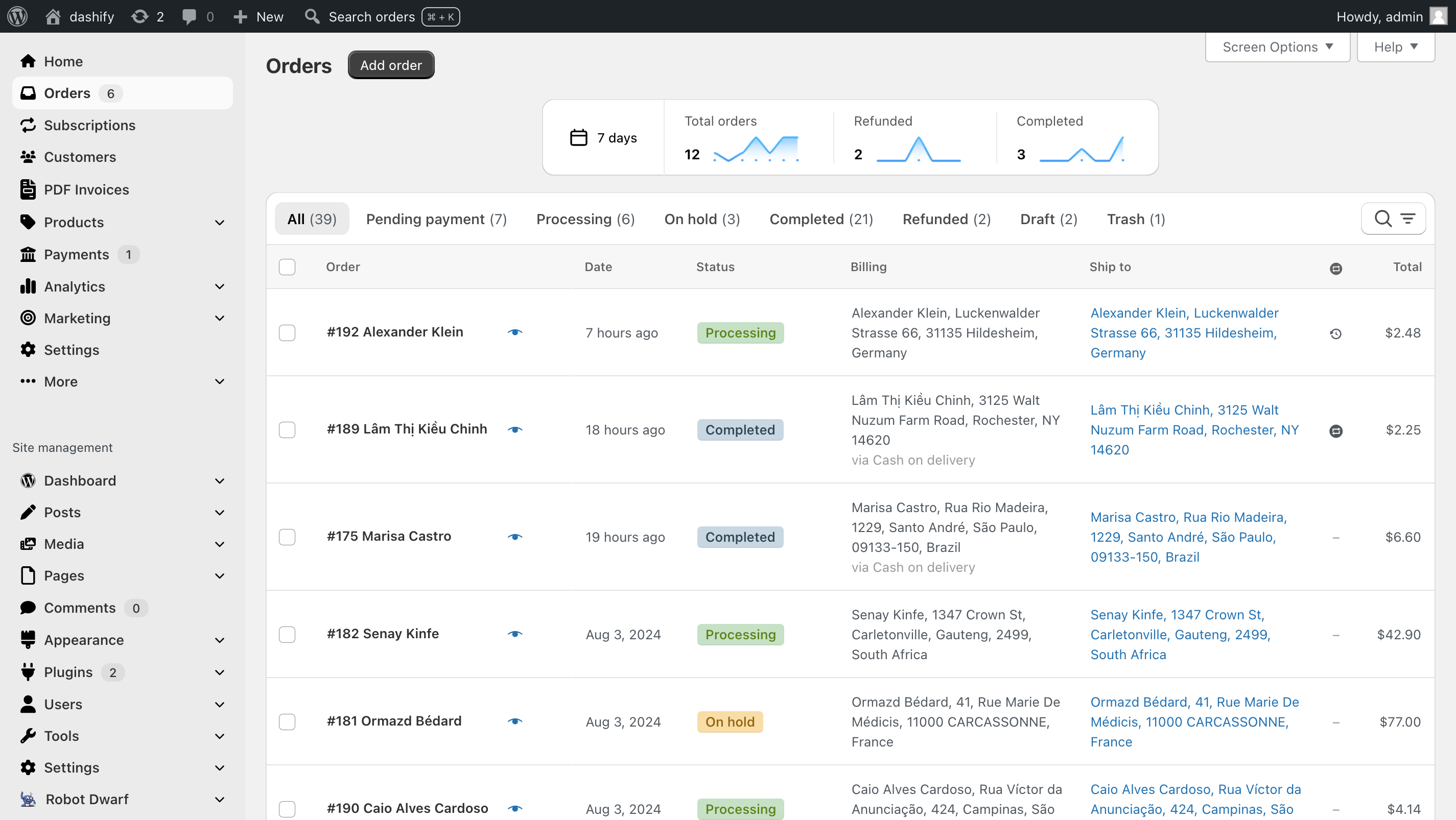
3.1 E-Commerce Platforms (Online Store Builders)


4
These platforms allow businesses to create and manage online stores.
Popular platforms include:
- Shopify
- WooCommerce
- Magento
- BigCommerce
They provide:
- Product catalog management
- Shopping cart functionality
- Checkout systems
- Order tracking
- Customer accounts
These platforms eliminate the need for advanced coding knowledge.
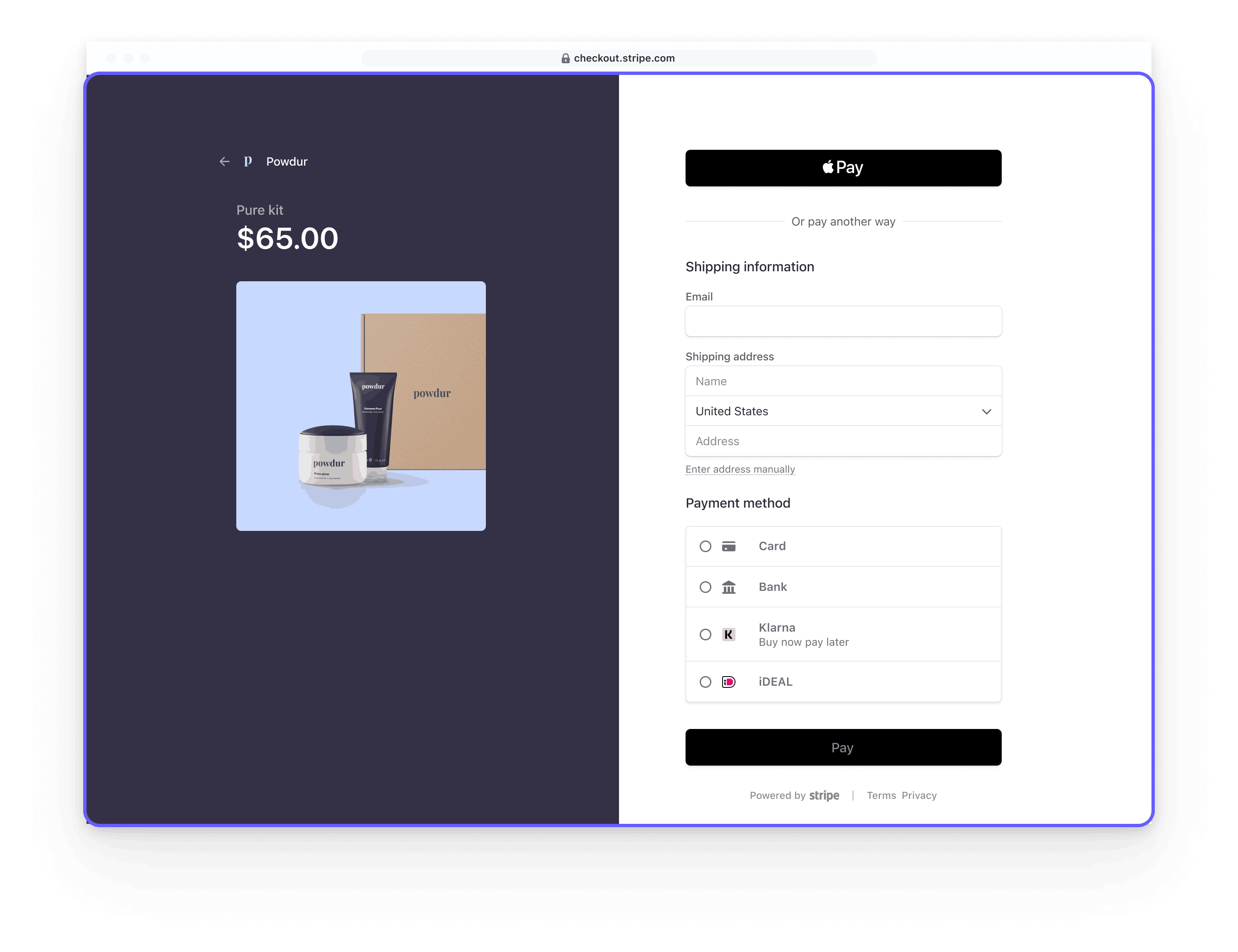
3.2 Payment Gateways & Digital Transactions


4
Payment gateways enable secure financial transactions.
Examples:
- PayPal
- Stripe
- Razorpay
They support:
- Credit & debit cards
- UPI payments
- Digital wallets
- Net banking
Payment technology ensures:
- Encryption
- Fraud detection
- PCI compliance
3.3 Web & Mobile Technologies
Modern e-commerce runs on:
- HTML, CSS, JavaScript
- Progressive Web Apps (PWA)
- Mobile applications
- Cloud servers (AWS, Azure)
- APIs for integration
Mobile commerce (m-commerce) now contributes over 60% of global online sales.
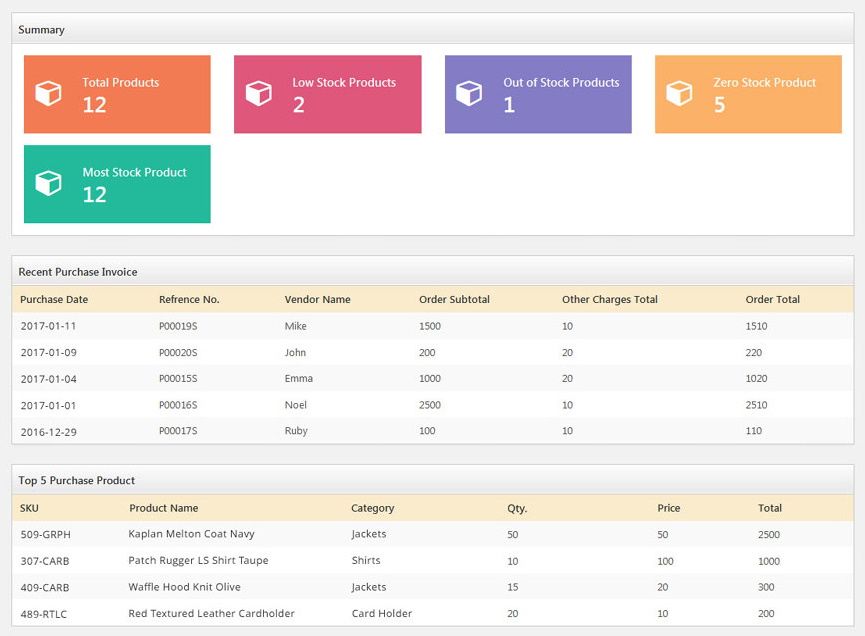
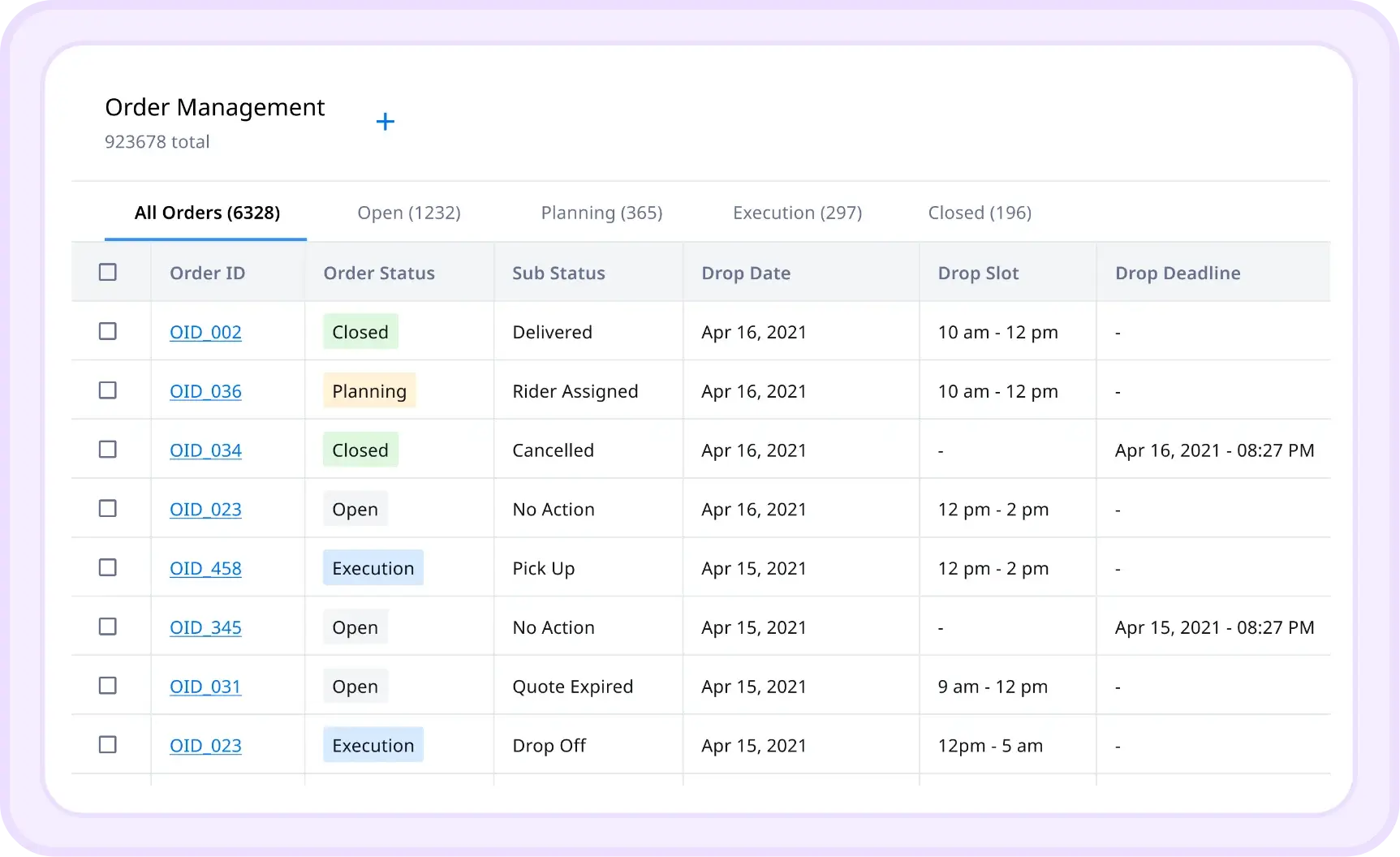
3.4 Inventory & Order Management Systems
4
These systems manage:
- Stock levels
- Product variants
- Real-time updates
- Multi-warehouse operations
Automation prevents overselling and improves efficiency.
3.5 Logistics & Fulfillment Technology
E-commerce integrates with:
- Shipping carriers
- Warehouse automation systems
- Tracking APIs
- Delivery management software
Real-time tracking increases customer trust.
3.6 Security & Compliance Technology
Security technologies include:
- SSL encryption (HTTPS)
- Two-factor authentication
- Tokenization
- AI fraud detection
Cybersecurity is critical because online stores handle sensitive customer data.
4. Full Funnel E-Commerce Technology Explained
Understanding full funnel strategy is crucial.
Stage 1: Awareness (Top of Funnel)
Technology used:
- SEO tools
- Social media ads
- Content marketing platforms
- Analytics tracking
Goal: Attract traffic.
Stage 2: Consideration (Middle of Funnel)
Technology used:
- Retargeting ads
- Email automation
- Chatbots
- Product recommendation engines
Goal: Convert visitors into leads.
Stage 3: Conversion (Bottom of Funnel)
Technology used:
- Optimized checkout systems
- Payment gateways
- Discount engines
- One-click purchasing
Goal: Complete the sale.
Stage 4: Retention & Loyalty
Technology used:
- CRM systems
- Loyalty programs
- AI-based email campaigns
- Subscription models
Goal: Repeat purchases.
5. AI & Machine Learning in E-Commerce
Artificial Intelligence drives modern e-commerce growth.
Applications include:
- Product recommendations
- Smart search
- Dynamic pricing
- Customer segmentation
- Chatbots
- Fraud prevention
AI increases average order value and conversion rates significantly.
6. Cloud Computing & Scalability
Cloud infrastructure allows:
- Auto-scaling during sales
- Secure hosting
- Data backups
- Global CDN performance
During festive sales, systems automatically scale to handle traffic spikes.
7. Data Analytics & Customer Insights
E-commerce platforms collect data such as:
- Customer behavior
- Cart abandonment
- Purchase patterns
- Device usage
Data-driven insights help businesses:
- Optimize marketing
- Improve user experience
- Increase ROI
8. Types of E-Commerce Models
- B2C (Business to Consumer)
- B2B (Business to Business)
- C2C (Consumer to Consumer)
- D2C (Direct to Consumer)
Each model uses similar technology but differs in strategy.
9. Future Trends in E-Commerce Technology (2026 & Beyond)
The future includes:
- Voice commerce
- AR/VR shopping
- Blockchain payments
- Drone deliveries
- Hyper-personalization
- Social commerce
Online shopping will become more immersive and AI-driven.
10. How Businesses Can Leverage E-Commerce Technology
To succeed:
- Choose the right platform
- Optimize for mobile
- Implement secure payments
- Use AI personalization
- Track analytics
- Focus on SEO & content marketing
Technology alone is not enough — strategy matters.
11. Why Understanding E-Commerce Technology Is Important in India
India’s digital market is rapidly growing.
Factors driving growth:
- Smartphone penetration
- UPI adoption
- Affordable internet
- Growing digital literacy
Businesses that adopt modern e-commerce technology early gain a competitive advantage.
12. Common Challenges in E-Commerce Technology
- Security breaches
- High competition
- Cart abandonment
- Logistics delays
- Technical downtime
Solutions involve proper planning, monitoring, and system optimization.
13. Final Thoughts
E-commerce technology is not just about building an online store. It is a powerful ecosystem of:
- Platforms
- Payment systems
- AI engines
- Marketing automation
- Logistics integrations
- Data analytics
Businesses that understand and leverage these technologies can scale faster and compete globally.
The future of shopping is digital — and technology is the foundation.
About InfoIndia91
At InfoIndia91, we provide:
- In-depth technology guides
- Business growth strategies
- Digital marketing insights
- Latest updates in e-commerce & tech
- SEO-friendly educational content
If you want to stay ahead in the digital economy, bookmark InfoIndia91.com and explore our latest articles on technology, startups, digital marketing, and business innovation.
Get Canva Pro
GET CANVA PRO

Swimming Pool Builders Near Me – Best Pool Construction Company in India
In today’s modern lifestyle, having a beautifully designed swimming pool is no longer considered a…
Bina Chemical Swimming Pool Clean Kaise Rakhe | Natural Pool Maintenance Guide
आजकल लोग healthy lifestyle और eco-friendly living को ज्यादा importance दे रहे हैं। इसी वजह…
अपना Dream Swimming Pool कैसे बनाएं? 10 ज़रूरी Products की Complete Guide
Best Swimming Pool Equipment for Clean & Crystal Clear Pools आज के समय में swimming…
The Complete Swimming Pool Guide
A swimming pool is one of the most rewarding investments you will ever make. It…
Best Digital Marketing Services Delhi NCR
Delhi/NCR Businesses को Digital Marketing की ज़रूरत क्यों है? | Why Delhi/NCR Businesses Need Digital…
👉 Visit InfoIndia91.com today and unlock powerful insights to grow your online presence.
E-commerce technology is revolutionizing how businesses operate and how customers shop. From AI-powered personalization to secure digital payments, the technology driving online shopping is becoming smarter and more efficient every year.
To stay competitive in 2026 and beyond, businesses must embrace these tools and strategies.
For more detailed guides on technology and business growth, follow InfoIndia91 — your trusted source for digital knowledge.